The Health Path to Advance

Dairy Sustainability

THE PROJECT

The general objectives of the proposed project are to create methods for streamlined assessment of transition management quality in dairy farms, and to help farmers make data-driven decisions to enhance cow health and welfare, and improve dairy production sustainability. To achieve these objectives, we will combine large field studies in commercial dairy farms (for collection of accurate health information) with data modelling of standardized, traditionally collected data (e.g. milk recording) and those collected by emerging technologies (e.g. sensors data). The NSERC Alliance project is divided in multiple studies, each with their specific objective and hypothesis.

RATIONALE

One of the current challenges for improving the health of transition cows is the lack of standardized measurements of cow health and transition management adequacy across the entire industry. By developing such methods, our project will allow farmers to continuously monitor their transition cow management efficiency and to make data-driven decisions to prevent future problems and minimize the consequences of the current ones. With the support of our research partners, the innovative tools for continuous streamlined monitoring of transition management quality and the associated development and dissemination of best management practices will reduce health hazards and the need for antimicrobial use, enhancing the welfare of transition dairy cows in Canada. By improving transition cows’ health and welfare, the proposed project will also promote higher milk yields, better reproduction, and longevity of cows. Moreover, targeted management strategies will be tested to reduce the use of reproductive hormones and optimize the time of culling. Combined, these deliverables will lead to improvements in cows’ lifetime production and production efficiency, economic returns, and mitigation of environmental impact, which will ultimately enhance public acceptance of dairy products and the well-being of farmers and their employees. The proposed project, therefore, will promote all components of dairy sustainability (economic, social, and environmental), the preparedness of the workforce, and the competitiveness of Canadian dairy herds.

MILESTONES

Building momentum since 2023...

Apr 2023
Knowledge mobilization & proposal writing started
Apr 2024
Initial funding confirmed — Ontario Agri-Food Innovation Alliance Tier I
Sep 2024
Additional funding confirmed — OAFRI Applied Research
Dec 2024
Field Study 1 begins (cow-level) + NSERC proposal submitted
Oct 2025
NSERC funding confirmed — Alliance Grants / Mitacs Accelerate
Nov 2025
Field Study 2 begins (herd-level investigations)
Apr 2026
60 farms recruited across Ontario for Field Study 2
Jun 2026
Field Study 1 enrollment complete — 3,629 cows across 5 herds
Completed Current Click a milestone for full details — scroll for more
The Ribeiro Lab

Learn more about the laboratory behind this project.

Members

Meet the researchers and collaborators contributing to this study.

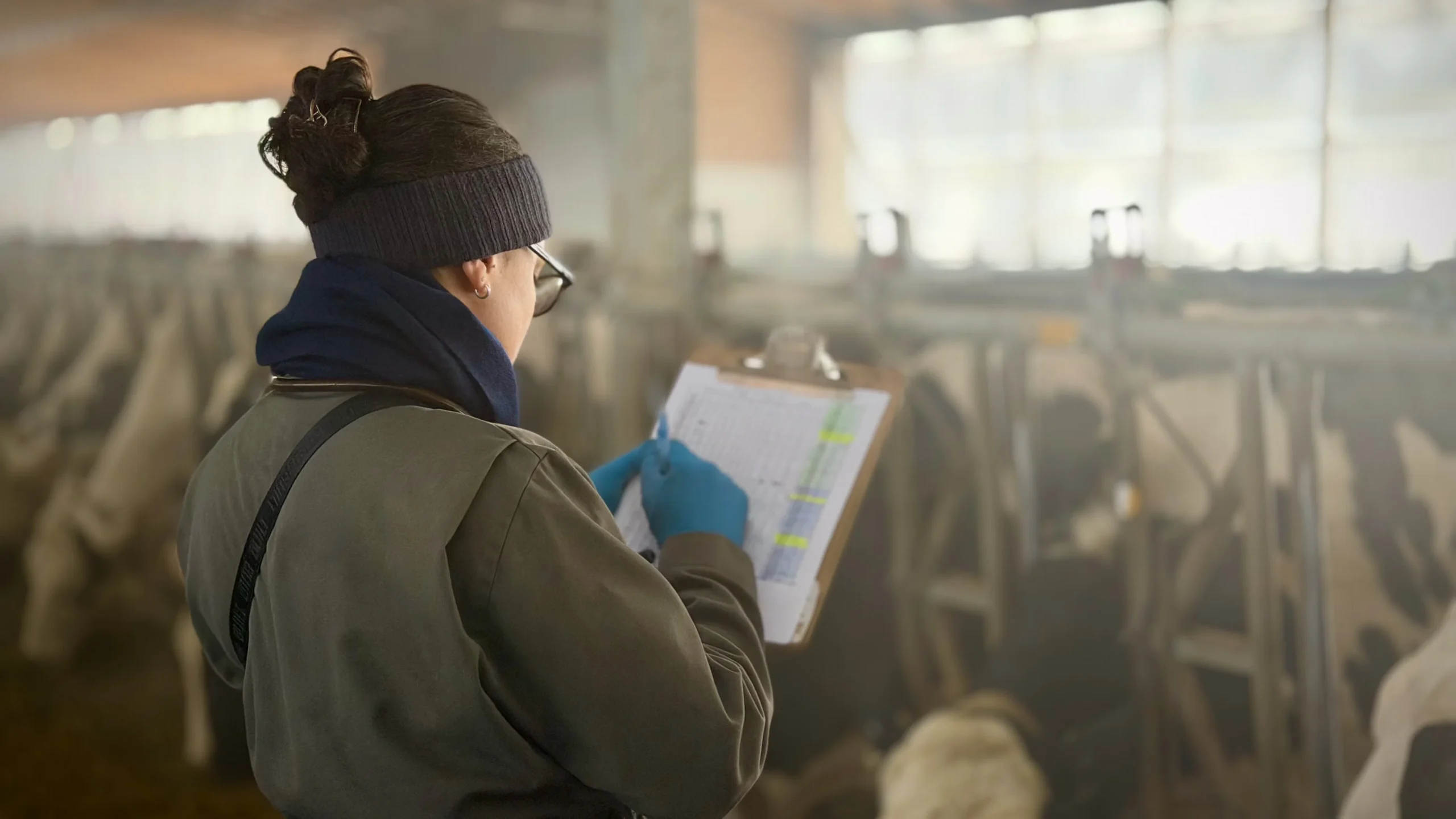
A female researcher in a barn environment, viewed from behind, writing notes on a clipboard while observing livestock in the background.
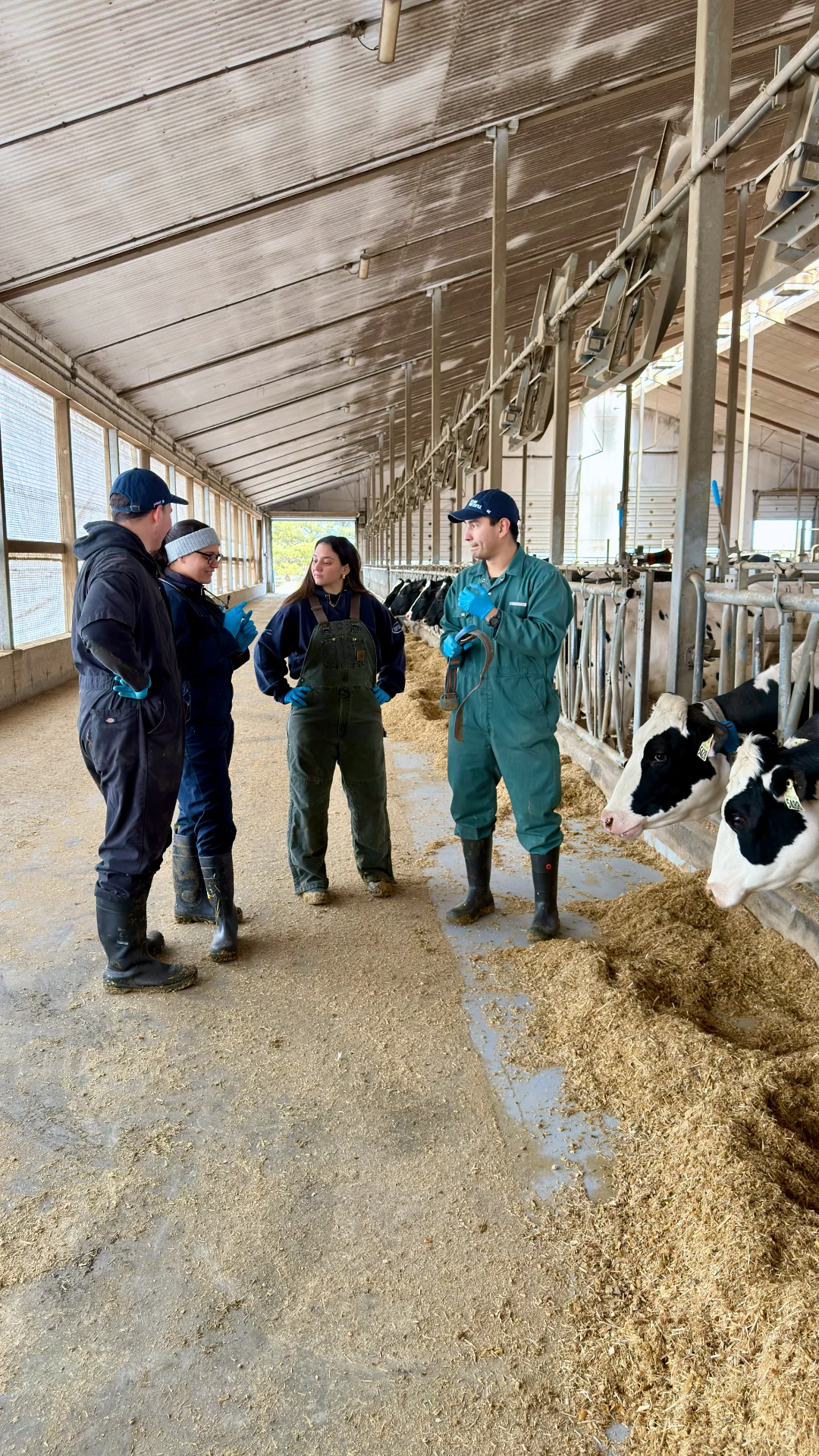
A group of four researchers in coveralls and boots standing in a dairy barn, engaged in a discussion next to a row of Holstein cows.
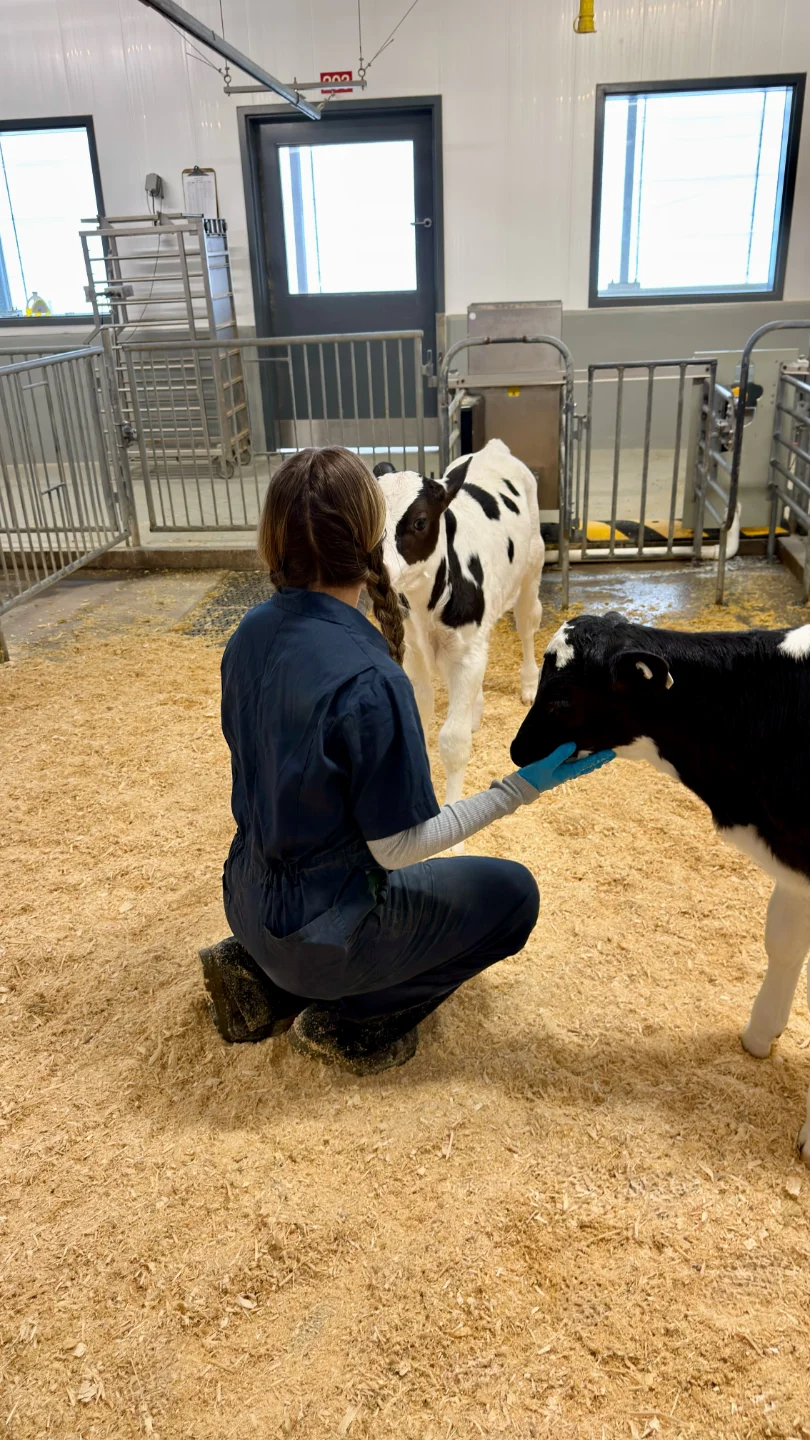
A female researcher in blue coveralls kneeling in a clean research pen, interacting with two Holstein calves on a wood-shavings floor.
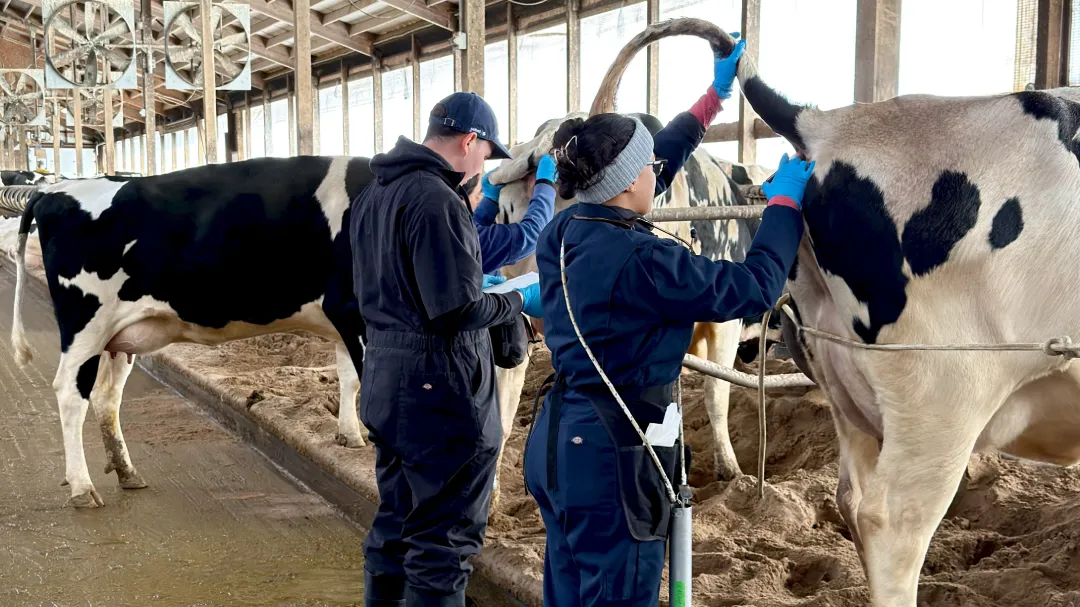
Researchers in a dairy facility conducting a veterinary examination or procedure on a Holstein cow, with one researcher holding a clipboard for data recording.

Funding partners:

We acknowledge the support of the Natural Sciences and Engineering Research Council of Canada (NSERC), the Sustainable Canadian Agricultural Partnership (Sustainable CAP), the Government of Ontario, the Government of Canada, Dairy Farmers of Ontario (DFO), Lactanet, Solvet, Jefo, Merck, and Mitacs.

The views, findings, interpretations, and conclusions expressed on this website are solely those of the research project team and do not necessarily reflect the views or positions of the funders. The funders are not responsible for the content of this website or for any use that may be made of the information contained herein.